
Introduction
Toothaches are one of the most common types of pain, and they often strike at the worst times. Whether caused by cavities, gum disease, or an abscess, tooth pain can make it difficult to eat, sleep, or focus. While dental treatment is the only way to fix the root cause, many people rely on over-the-counter pain relievers such as Advil for temporary relief.
Knowing the safe Advil dosage for a toothache is very important. Taking too little may not provide relief, while taking too much can lead to dangerous side effects. This article explains how Advil works, the safe dosage for adults and children, precautions, side effects, alternatives, and when to see a dentist.
What is Advil?
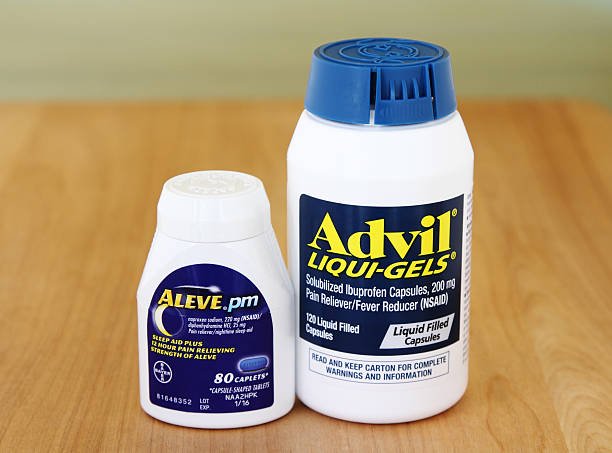
Advil is the brand name for ibuprofen, which belongs to a class of drugs called nonsteroidal anti-inflammatory drugs (NSAIDs). It reduces pain, inflammation, and fever by blocking the production of prostaglandins, chemicals in the body that cause swelling and pain.
Because toothaches are usually linked to inflammation in the tooth or gums, Advil is often more effective than other pain relievers that only mask pain.
Safe Advil Dosage for Toothache
The correct dosage of Advil depends on age, body weight, and medical history. Following the recommended dose ensures safe and effective relief.
Adult Dosage
- Standard Advil tablets contain 200 mg of ibuprofen.
- Adults can take 1 to 2 tablets every 4 to 6 hours as needed.
- The maximum daily limit is 1,200 mg without a doctor’s supervision.
- With a prescription, doctors may allow up to 3,200 mg daily in divided doses for severe pain.
Children’s Dosage
- For children, the dose is based on weight rather than age.
- The standard guideline is 10 mg per kilogram of body weight every 6 to 8 hours.
- Do not exceed 40 mg per kilogram in a 24-hour period.
- Always use the measuring tool provided with children’s liquid Advil for accuracy.
Safety Reminder
Never exceed the recommended maximum dosage unless specifically directed by a healthcare professional. Taking too much Advil can cause stomach bleeding, kidney damage, or other serious problems.
How Advil Helps with Toothache
Advil not only relieves pain but also reduces swelling in the affected area. This makes it particularly effective for toothaches caused by:
- Dental cavities
- Gum infections
- Tooth abscesses
- Wisdom tooth impaction
- Inflammation from orthodontic treatment
Unlike acetaminophen, which only controls pain, Advil addresses both the pain and the underlying inflammation, making it a preferred choice for dental discomfort.
Precautions Before Taking Advil
Although Advil is safe for most people, some precautions should be considered:
- Take it with food or milk to protect the stomach lining.
- Avoid Advil if you have a history of stomach ulcers or gastrointestinal bleeding.
- People with kidney problems, heart disease, or high blood pressure should consult a doctor first.
- Pregnant women should avoid Advil, especially in the third trimester.
- Breastfeeding mothers should check with their doctor before use.
- Do not mix Advil with other NSAIDs such as aspirin or naproxen unless advised by a healthcare professional.
Possible Side Effects of Advil
Most people tolerate Advil well, but side effects can occur.
Common side effects include:
- Stomach pain or nausea
- Heartburn or indigestion
- Dizziness or headache
Serious but rare side effects include:
- Stomach bleeding
- Kidney damage
- Increased risk of heart attack or stroke (with long-term or high-dose use)
Seek medical help immediately if you notice severe stomach pain, bloody stools, vomiting blood, or chest pain after taking Advil.
When to See a Dentist
While Advil may help manage pain, it cannot fix the underlying cause of a toothache. You should schedule a dental appointment if you experience:
- Toothache lasting longer than two days
- Severe, throbbing pain that does not improve
- Fever or swelling around the jaw
- Pus or signs of infection near the tooth or gums
Delaying treatment can make the problem worse and lead to more complicated dental procedures.
Alternatives to Advil for Toothache
If you cannot take Advil or prefer other remedies, there are alternative options:
Acetaminophen (Tylenol)
Relieves pain but does not reduce swelling. Suitable for people with stomach issues.
Cold Compress
Applying an ice pack to the cheek reduces swelling and numbs the pain.
Saltwater Rinse
Rinsing with warm salt water cleans the mouth and soothes inflammation.
Clove Oil
A natural remedy that contains eugenol, which helps numb pain and fight bacteria.
Prescription Medication
Dentists may prescribe stronger pain relievers or antibiotics if the pain is caused by infection.
Tips for Taking Advil Safely
- Always take Advil with a full glass of water and food.
- Use the lowest effective dose for the shortest duration possible.
- Avoid alcohol while taking Advil, as it increases the risk of stomach bleeding.
- Do not mix Advil with other painkillers unless recommended by your doctor.
- Keep Advil out of reach of children to prevent accidental overdose.
Frequently Asked Questions
- What is the safe Advil dosage for toothache in adults?
Adults can take 200 to 400 mg every 4 to 6 hours, not exceeding 1,200 mg daily without a doctor’s advice. - Can children take Advil for toothache?
Yes, but the dosage must be based on weight, and parents should follow instructions carefully. - Is Advil better than Tylenol for toothache?
Advil reduces both pain and inflammation, making it more effective for tooth-related pain. - How long does Advil relieve toothache pain?
Advil usually provides relief for 4 to 6 hours. - Can I take Advil while waiting for dental treatment?
Yes, but it should only be used for temporary relief until you see a dentist.
Conclusion
A toothache can be overwhelming, but knowing the safe Advil dosage for toothache helps manage the pain until professional care is available. Adults should avoid exceeding 1,200 mg daily without medical supervision, and children must follow weight-based dosing.
Advil is effective because it targets both pain and inflammation, but it is not a cure. A dentist’s evaluation is essential to treat the root cause of the problem. By using Advil correctly and following safety precautions, you can ease discomfort and protect your health while waiting for dental treatment.