
How Poison Ivy Affects Skin
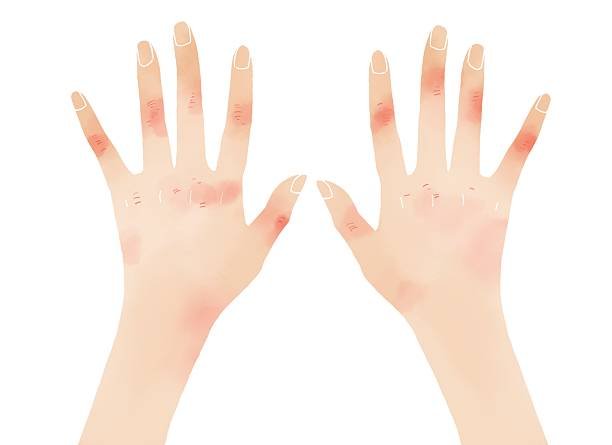
Poison ivy rash occurs when your skin touches urushiol, an oily substance found in poison ivy, oak, or sumac plants. This oil causes an allergic reaction that results in redness, itching, and blisters. Understanding the poison ivy rash stages helps you identify symptoms early, treat them correctly, and prevent spreading. Anyone who spends time outdoors can benefit from learning these stages.
- How Poison Ivy Affects Skin
- Stage One Early Skin Reaction
- Stage Two: Visible Rash Appears
- Stage Three: Blistering And Irritation
- Stage Four: Crusting And Healing Phase
- Stage Five: Complete Skin Recovery
- Prevention Tips For Outdoor Lovers
- Treatment Tips For Quick Relief
- When To See A Doctor
- Conclusion: Healing Takes Patience And Care
- FAQs About Poison Ivy Rash
Stage One Early Skin Reaction
After contact, urushiol starts working immediately on the skin. At this stage, you might not notice anything for a few hours or even a day. People exposed for the first time may not show symptoms for up to 10 days.
-
Mild itching or burning begins on the affected area.
-
Slight redness or small patches appear.
-
The skin may feel tight or irritated.
Washing the skin with soap and water right after exposure can minimize the reaction. Avoid scratching, as this can worsen irritation and increase the chance of infection.
Stage Two: Visible Rash Appears
Within 12 to 48 hours, the rash becomes visible. This is when most people realize they have come into contact with poison ivy.
-
Red or pink bumps appear in a straight line, marking where the plant brushed against the skin.
-
The area becomes itchy and warm.
-
In severe cases, mild swelling develops.
At this point, avoid using hot water or harsh cleansers. Apply a cool compress to reduce itching and use calamine lotion or an over-the-counter hydrocortisone cream for relief. Also, wash clothes, shoes, and any objects that might still contain urushiol.
Stage Three: Blistering And Irritation
This is the most uncomfortable stage of the rash. The immune system reacts strongly to the oil, causing blisters to form.
-
Small or large blisters filled with clear fluid develop.
-
The affected area feels warm, tight, and painful.
-
Blisters may leak fluid before drying up naturally.
Care tips for this stage: -
Do not pop blisters, as this can lead to infection.
-
Keep the skin clean with gentle soap and water.
-
Apply cool compresses and anti-itch creams.
-
Avoid scratching, even if it feels soothing.
If the rash spreads to sensitive areas like the face or genitals, see a doctor immediately.
Stage Four: Crusting And Healing Phase
Once the blisters dry, the rash begins to crust and scab over. This is a sign that healing has started.
-
The skin becomes dry, and scabs form over healing blisters.
-
Itching starts to reduce gradually.
-
The redness begins to fade.
To help the skin recover faster: -
Continue moisturizing with unscented lotion.
-
Avoid re-exposure to contaminated clothes or objects.
-
Keep the skin clean and hydrated to prevent scarring.
Healing usually takes one to three weeks, depending on how severe the reaction was and how well it’s treated.
Stage Five: Complete Skin Recovery
During this final stage, the rash disappears completely, and the skin returns to normal. Some people may notice temporary discoloration or light scarring, which fades over time. To prevent another outbreak, learn to identify poison ivy plants and protect yourself while outdoors. Prevention is always easier than treatment.
Prevention Tips For Outdoor Lovers
If you enjoy gardening, hiking, or camping, knowing how to protect yourself is essential.
-
Wear long sleeves, pants, and gloves in wooded or grassy areas.
-
Learn to recognize poison ivy by its signature “three-leaf” pattern.
-
Never burn poison ivy plants, as the smoke can cause severe lung irritation.
-
Wash your skin and clothing immediately after outdoor activities.
-
Keep pets from running through brush areas where the plant may grow.
Urushiol oil can remain active on surfaces for months, so cleaning everything that might have touched the plant is crucial.
Treatment Tips For Quick Relief
While most rashes heal on their own, proper care speeds recovery and reduces discomfort.
-
Use calamine lotion, hydrocortisone cream, or oatmeal baths to ease itching.
-
Take antihistamines if itching disrupts sleep.
-
Apply aloe vera gel to soothe inflammation.
-
Drink plenty of water to help the body flush toxins and heal faster.
If you notice pus, swelling, or spreading redness, see a healthcare professional right away.
When To See A Doctor
Medical attention is necessary if:
-
The rash covers more than 25% of your body.
-
You have severe swelling around the eyes or mouth.
-
You experience difficulty breathing after exposure.
-
Symptoms do not improve after 10 days of treatment.
A doctor may prescribe stronger topical steroids or oral medications to control the reaction.
Conclusion: Healing Takes Patience And Care
Understanding the poison ivy rash stages empowers you to handle the condition safely and confidently. From the first signs of itching to complete healing, each stage requires careful attention and gentle treatment. With proper care and prevention, you can avoid complications and keep your skin healthy after contact with poison ivy.
FAQs About Poison Ivy Rash
Q1: How long does poison ivy rash last?
Most cases heal within one to three weeks, depending on severity.
Q2: Can you spread poison ivy rash by scratching?
No, but scratching can spread urushiol oil if it’s still on the skin or under nails.
Q3: What does poison ivy rash look like?
It appears as red, itchy bumps or blisters that may form in a line.
Q4: Can poison ivy rash come back?
It can return if you’re re-exposed to the plant or contaminated objects.
Q5: How can I prevent poison ivy rash?
Wear protective clothing, wash skin after exposure, and learn to identify poison ivy plants