
Introduction:
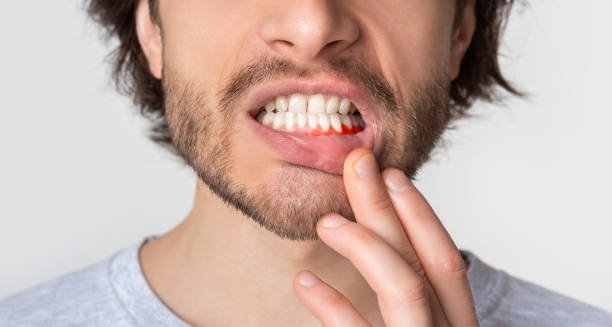
Experiencing inflamed gums after cleaning can be alarming, especially after visiting a dentist or dental hygienist. While professional teeth cleaning is meant to improve oral health, some people notice redness, swelling, or sensitivity afterward. Understanding why this happens, how to care for your gums, and when to seek professional help is essential for maintaining healthy teeth and gums.
Gum inflammation following dental cleaning is common and often temporary. However, recognizing the causes, proper treatment, and preventive measures can help reduce discomfort, promote healing, and prevent long-term oral health issues.
Why Gums Become Inflamed After Cleaning
Gum inflammation after dental cleaning usually occurs due to the sensitivity of soft tissues or the removal of plaque and tartar. Dental cleaning often involves scaling and polishing, which can temporarily irritate the gums. The mechanical action of cleaning dislodges bacteria and debris, sometimes causing minor trauma to delicate gum tissues.
Additionally, people with pre-existing gum conditions, such as gingivitis or periodontitis, may notice more pronounced swelling or bleeding. Hormonal changes, immune response variations, and individual sensitivity can also influence the degree of inflammation experienced after a dental cleaning.
Common contributing factors include:
- Plaque and tartar removal causing minor gum irritation
- Pre-existing gum disease or inflammation
- Aggressive brushing or flossing before or after cleaning
- Sensitive or thin gum tissue
Understanding these causes can help patients anticipate temporary discomfort and adopt measures to support recovery.
Symptoms to Watch For
Recognizing the signs of inflamed gums is essential for determining whether post-cleaning inflammation is normal or requires professional attention.Most mild inflammation resolves within a few days, but persistent or severe symptoms may indicate an underlying issue.
Typical symptoms include redness, swelling, tenderness, bleeding during brushing or flossing, and increased sensitivity to hot, cold, or acidic foods. Monitoring the severity and duration of symptoms helps patients distinguish between normal post-cleaning reactions and potential complications. Key symptoms include:
- Red or swollen gums around the teeth
- Tenderness or soreness when touched
- Bleeding while brushing or flossing
- Increased sensitivity to temperature or pressure
- Persistent discomfort lasting more than a few days
Prompt attention to persistent symptoms ensures early intervention and prevents worsening gum problems.
Home Care and Remedies
Most cases of mild inflammation after dental cleaning can be managed at home with proper oral hygiene and supportive care. Gentle care and natural remedies can reduce swelling, ease discomfort, and promote healing. Avoiding aggressive brushing and using soft-bristled toothbrushes helps prevent further irritation.
Additionally, rinsing with antiseptic or saltwater solutions can reduce bacteria and soothe inflamed tissues. Maintaining hydration, a balanced diet, and avoiding irritants like smoking or alcohol can also support gum recovery.
Effective home care measures include:
- Using a soft-bristled toothbrush and gentle brushing techniques
- Flossing carefully to remove trapped debris without causing trauma
- Rinsing with warm saltwater or mild antiseptic mouthwash
- Applying cold compresses externally to reduce swelling
- Avoiding sugary, acidic, or spicy foods that may aggravate gums
These practices help ensure that inflammation resolves quickly while supporting overall oral health.
When to See a Dentist
While mild inflammation after cleaning is usually temporary, certain signs indicate that professional evaluation is necessary. If swelling persists beyond a week, bleeding is excessive, or there is severe pain, it may signal an underlying issue such as infection, advanced gum disease, or an adverse reaction to the cleaning procedure.
Early intervention can prevent complications, promote healing, and ensure the gums remain healthy. Regular dental check-ups and communication with your dentist are essential to address any concerns promptly.
Red flags requiring dental attention include:
- Persistent or worsening gum swelling
- Severe or sharp pain not improving over time
- Pus or discharge from the gums
- Fever or other signs of systemic infection
- Recurrent inflammation after each dental cleaning
Consulting a professional ensures proper diagnosis, treatment, and reassurance.
Preventing Gum Inflammation After Cleaning
Prevention is always better than cure, and adopting good oral hygiene practices can reduce the likelihood of post-cleaning gum inflammation. Consistent daily care, combined with professional guidance, helps maintain healthy gums and reduces sensitivity.
Adjusting brushing and flossing techniques, using suitable dental products, and scheduling regular cleanings tailored to individual needs all contribute to healthier gums. Awareness of risk factors, such as gum disease, smoking, or hormonal changes, allows for proactive care.
Preventive measures include:
- Brushing twice daily with a soft-bristled toothbrush
- Flossing gently once a day to remove plaque buildup
- Using non-irritating toothpaste and mouthwash
- Staying hydrated and maintaining a balanced diet
- Scheduling regular dental check-ups and cleanings
Following these strategies ensures long-term gum health and minimizes post-cleaning discomfort.
Lifestyle Tips to Support Gum Health
Maintaining gum health extends beyond oral hygiene practices. Lifestyle habits play a significant role in preventing inflammation and promoting overall oral wellness. Reducing stress, avoiding tobacco products, moderating alcohol consumption, and consuming a nutrient-rich diet with adequate vitamins and minerals support healthy gums.
Regular exercise and proper sleep can also enhance immune function, helping the body respond to minor irritations more effectively. These lifestyle factors, combined with routine dental care, ensure your gums remain resilient and less prone to inflammation.
Key lifestyle tips include:
- Avoiding tobacco and limiting alcohol intake
- Consuming vitamin C, calcium, and other nutrients essential for gum health
- Reducing stress through relaxation techniques or physical activity
- Ensuring adequate hydration and sleep
- Monitoring oral changes and seeking professional advice when necessary
Adopting these habits promotes healthier gums and contributes to overall well-being.
Conclusion
Inflamed gums after cleaning are often a temporary reaction to the dental procedure, but persistent or severe inflammation should not be ignored. Understanding the causes, practicing gentle oral hygiene, and adopting preventive measures can minimize discomfort and support gum healing.
By maintaining regular dental visits, following proper care routines, and making healthy lifestyle choices, patients can enjoy strong, healthy gums and prevent further oral health complications. Prompt attention to unusual symptoms ensures early intervention and long-term wellness.
FAQs
1. Is it normal to have swollen gums after cleaning?
Yes, mild swelling and tenderness are common and usually resolve within a few days.
2. How long should inflammation last after a dental cleaning?
Typically, 1–3 days. If it persists longer, consult your dentist.
3. What can I do at home to relieve gum inflammation?
Gentle brushing, flossing, saltwater rinses, and avoiding irritants can reduce swelling and discomfort.
4. Can pre-existing gum disease worsen after cleaning?
Yes, gums already inflamed from gingivitis or periodontitis may temporarily react more strongly after cleaning.
5. When should I see a dentist about swollen gums?
Seek professional advice if swelling persists, pain is severe, bleeding is excessive, or there are signs of infection.