
Introduction:
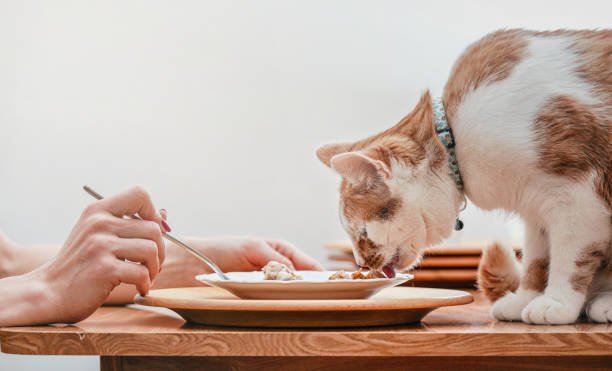
Cats are naturally curious, often eyeing your plate during meals. While high-quality cat food should remain their primary diet, certain human foods can safely supplement their nutrition. Introducing the right human foods provides variety and essential nutrients and can strengthen the bond between you and your feline companion. This guide explains the best human food for cats, foods to avoid, feeding strategies, and tips for maintaining a healthy diet.
- Introduction:
- Essential Nutrients Cats Need Daily
- Safe Human Foods Cats Can Enjoy
- Human Foods Cats Should Avoid
- How to Introduce Human Foods Safely
- Benefits of Feeding Human Food to Cats
- Homemade Treat Ideas for Cats
- Foods That Support Cat Health
- Portion Control and Feeding Frequency
- Conclusion: Feed Your Cat Safely and Smart
- FAQs About Human Food for Cats
Essential Nutrients Cats Need Daily
Cats are obligate carnivores, which means they require specific nutrients from animal sources to thrive. Understanding these needs helps you safely incorporate human foods.
Key nutrients include
- Protein: Supports muscle growth and repair
- Taurine: Essential for heart, vision, and reproduction
- Healthy fats: Promote energy and a shiny coat
- Vitamins and minerals: Strengthen bones, teeth, and immunity
- Water: Supports hydration and kidney health
Human foods that complement these nutrients can enhance overall feline wellbeing.
Safe Human Foods Cats Can Enjoy
Many human foods can be included in a cat’s diet safely, provided they are plain, cooked, and unseasoned.
Safe options include
- Cooked chicken and turkey: High in protein and easy to digest
- Cooked fish like salmon or sardines: Rich in omega-3 fatty acids for coat and heart health
- Boiled eggs: Protein-rich and digestible
- Small portions of cheese: Calcium source, avoid lactose-heavy servings
- Pumpkin or squash: Adds fiber and supports digestion
- Plain rice: Gentle for sensitive stomachs
- Carrots and green beans: Low-calorie, nutrient-rich snacks
Introduce new foods gradually, monitoring your cat for any digestive reactions or allergies.
Human Foods Cats Should Avoid
Some human foods are toxic and can cause serious health problems. Avoid these completely.
Foods to avoid
- Onions, garlic, and chives: Cause anemia
- Chocolate: Contains theobromine, toxic to cats
- Grapes and raisins: Can lead to kidney failure
- Alcohol: Even small amounts are dangerous
- Raw dough or eggs: Risk of bacterial infections
- Caffeinated drinks: Can impact heart and nervous system
Being aware of these dangers ensures your cat remains safe and healthy.
How to Introduce Human Foods Safely
Introducing human foods should be done cautiously to prevent digestive issues or allergies.
Safe feeding tips
- Feed small amounts at first
- Cook meat thoroughly and remove all bones
- Avoid seasoning, sauces, or added salt
- Human foods should supplement, not replace, cat food
- Observe your cat for signs of discomfort or allergic reactions
This approach ensures a smooth transition and avoids health risks.
Benefits of Feeding Human Food to Cats
Adding safe human foods to your cat’s diet offers several advantages when done responsibly.
Key benefits
- Provides natural protein and nutrients
- Supports digestion with fiber-rich foods like pumpkin
- Encourages hydration from foods with high water content
- Reduces boredom by introducing new flavors and textures
- Strengthens the bond between owner and cat
Balanced integration of human foods enhances health and overall wellbeing.
Homemade Treat Ideas for Cats
Homemade treats are a practical way to give cats tasty and healthy snacks while controlling ingredients.
Easy homemade treat ideas
- Cooked chicken bites with a pinch of catnip
- Tuna flakes baked into small, bite-sized portions
- Mashed pumpkin mixed with plain yogurt
- Boiled egg pieces as protein-rich snacks
- Small portions of cooked salmon for omega-3 benefits
Store homemade treats properly and feed in moderation to prevent overfeeding.
Foods That Support Cat Health
Certain human foods can help address specific health needs while providing nutritional benefits.
Supportive foods include
- Salmon or sardines: Rich in omega-3 fatty acids for coat and heart health
- Pumpkin: Supports digestion and regulates bowel movements
- Plain rice or oatmeal: Gentle on sensitive stomachs
- Carrots and green beans: Fiber-rich, low-calorie snacks
- Plain yogurt: Adds probiotics for gut health
Using these foods alongside regular cat meals promotes balanced nutrition and supports overall health.
Portion Control and Feeding Frequency
Even safe human foods should be given in moderation. Overfeeding can lead to obesity, digestive issues, or nutrient imbalances.
Feeding guidelines
- Keep human food treats under 10% of daily calories
- Feed small portions multiple times rather than one large serving
- Rotate different safe foods to provide variety
- Adjust portions based on age, weight, and activity levels
Proper portioning ensures human foods supplement the diet without replacing essential cat nutrition.
Conclusion: Feed Your Cat Safely and Smart
Feeding your cat the best human food adds variety, improves nutrition, and can strengthen your relationship. Stick to safe options, avoid toxic foods, and feed in moderation. With careful planning, your cat can enjoy tasty, nutritious human foods alongside a balanced cat food diet, ensuring health, energy, and happiness.
FAQs About Human Food for Cats
Q1: Can cats eat chicken or turkey?
Yes, plain cooked chicken or turkey is safe and high in protein.
Q2: Are vegetables safe for cats?
Some vegetables like pumpkin, carrots, and green beans are safe in moderation.
Q3: Can cats eat cheese or dairy?
Small amounts of plain cheese are safe, but avoid high-lactose servings.
Q4: Which human foods are toxic to cats?
Avoid onions, garlic, chocolate, grapes, raisins, alcohol, and caffeinated drinks.
Q5: How often can human foods be fed to cats?
They should be occasional supplements, not replacements for complete cat food.