
Introduction:
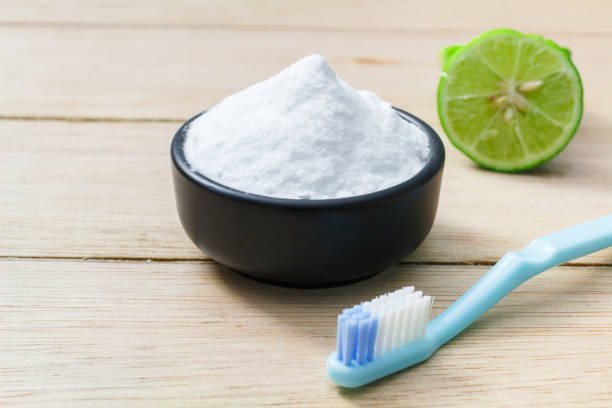
Tartar buildup is one of the most common dental problems that can lead to gum irritation, bad breath, and tooth decay if not managed properly. Many people turn to natural solutions like baking soda tartar removal, which can help maintain oral hygiene safely at home.
- Introduction:
- What Is Tartar and Why It Matters
- Why Baking Soda Is Useful Against Tartar
- Safe Baking Soda Methods for Tartar Control
- Brushing With Baking Soda
- Baking Soda Paste
- Baking Soda and Hydrogen Peroxide Mix (Sparingly)
- Avoid Harmful Substances
- Additional Benefits of Using Baking Soda
- Precautions and Safety Tips
- Not a Complete Substitute for Professional Cleaning
- Sensitive Teeth
- Limited Frequency
- Avoid Abrasive Combinations
- Incorporating Baking Soda Into Daily Oral Hygiene
- Conclusion
- FAQs
Baking soda, also known as sodium bicarbonate, is a gentle abrasive that can remove surface stains, reduce plaque, and prevent tartar from forming. This article explores its benefits, practical cleaning methods, precautions, and ways to include it in your daily oral care routine.
What Is Tartar and Why It Matters
Understanding tartar is the first step toward effective prevention and removal.
How Tartar Forms
Tartar, or dental calculus, develops when plaque hardens on your teeth. Plaque is a sticky film of bacteria and food particles. Over time, if plaque is not removed through brushing and flossing, minerals in your saliva cause it to harden into tartar, which is more difficult to remove.
Risks of Tartar Buildup
- Gum inflammation (gingivitis)
- Bad breath (halitosis)
- Yellow or brown discoloration on teeth
- Increased risk of cavities and periodontal disease
Regular cleaning and preventive measures are essential to avoid these complications.
Why Baking Soda Is Useful Against Tartar
Baking soda is widely recognized for its oral care benefits. Here’s why it works:
Gentle Abrasive Properties
The fine, mild particles in baking soda gently scrub away surface plaque and stains without harming enamel.
Neutralizes Acids
Baking soda helps balance pH levels in the mouth, neutralizing acids produced by bacteria that can erode enamel and contribute to tartar formation.
Antimicrobial Action
Baking soda inhibits bacterial growth in the mouth, helping to prevent plaque from hardening into tartar and supporting overall oral health.
Safe Baking Soda Methods for Tartar Control
Using baking soda properly ensures effectiveness without damaging teeth or gums.
Brushing With Baking Soda
- Wet a soft-bristled toothbrush.
- Dip lightly into baking soda.
- Brush gently in circular motions for 2 minutes.
- Rinse thoroughly with water.
Tip: Use this method 2–3 times a week for safe results.
Baking Soda Paste
- Mix 1 teaspoon of baking soda with a few drops of water to create a paste.
- Apply the paste to your teeth with a toothbrush or finger.
- Leave for 1–2 minutes and rinse thoroughly.
This method is effective in loosening tartar while remaining gentle on enamel.
Baking Soda and Hydrogen Peroxide Mix (Sparingly)
- Combine a small amount of baking soda with hydrogen peroxide to make a paste.
- Brush gently, avoiding swallowing.
- Rinse thoroughly.
This mixture can help whiten teeth and reduce bacteria, but should only be used occasionally to avoid gum irritation.
Avoid Harmful Substances
Do not mix baking soda with acidic liquids like lemon juice or use abrasive tools. These can erode enamel and harm your teeth over time.
Additional Benefits of Using Baking Soda
Helps Prevent Plaque Accumulation
Consistent use of baking soda reduces plaque formation, lowering the chance of tartar buildup.
Teeth Whitening
It removes surface stains caused by coffee, tea, and tobacco, brightening your smile naturally.
Fresher Breath
Baking soda neutralizes mouth acids and bacteria that cause bad breath.
Cost-Effective and Accessible
It is inexpensive, widely available, and easy to incorporate into daily oral care routines.
Precautions and Safety Tips
Not a Complete Substitute for Professional Cleaning
While baking soda is effective for mild tartar prevention, hardened tartar requires professional dental cleaning.
Sensitive Teeth
People with sensitive teeth should use baking soda cautiously and monitor for irritation.
Limited Frequency
Do not use baking soda daily. Brushing 2–3 times a week is sufficient to protect enamel.
Avoid Abrasive Combinations
Do not mix with acidic liquids or abrasive powders that could damage enamel or gums.
Incorporating Baking Soda Into Daily Oral Hygiene
To maximize its benefits, baking soda should complement standard oral care:
- Brush twice daily with fluoride toothpaste
- Floss once a day
- Use a mouthwash recommended by your dentist
- Visit your dentist every 6 months for check-ups and professional cleanings
This combined approach helps prevent plaque and tartar while maintaining healthy teeth and gums.
Conclusion
Baking soda is an effective, natural, and affordable tool for controlling tartar buildup, whitening teeth, and maintaining oral hygiene. Safe, occasional use helps prevent plaque from hardening into tartar while promoting fresh breath and a bright smile. However, it should complement, not replace, regular brushing, flossing, and professional dental care. By using baking soda correctly and consistently, you can maintain a healthy mouth and reduce the risk of dental problems over time.
FAQs
1. Can baking soda remove hardened tartar completely?
No. Baking soda helps prevent tartar and remove surface plaque, but professional cleaning is needed for hardened tartar.
2. How often should I use baking soda for my teeth?
2–3 times per week is sufficient for safe and effective tartar prevention.
3. Is baking soda safe for sensitive teeth?
Use with caution. If discomfort occurs, consult your dentist before continuing regular use.
4. Can baking soda whiten teeth?
Yes, it removes surface stains caused by coffee, tea, and smoking.
5. Can I mix baking soda with toothpaste?
Yes. Mixing a small amount with fluoride toothpaste enhances cleaning and tartar prevention.