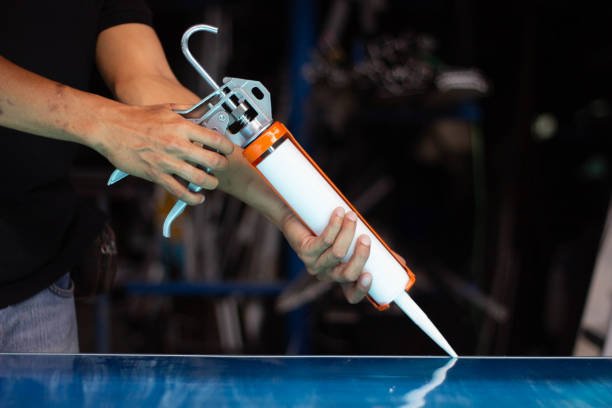

Introduction:
Acrylic glue is one of the most versatile adhesives used today in both professional and DIY projects. Known for its strong, durable bonds, it can adhere to a variety of surfaces,, including plastics, metals, wood, and glass. Whether you are crafting, repairing household items, or working on industrial projects, understanding the proper use of acrylic glue ensures optimal results and longevity.
This article provides a detailed overview of acrylic glue, including its types, uses, application techniques, benefits, precautions, and expert tips for maximum effectiveness.
Understanding Acrylic Glue
Acrylic glue is a type of synthetic resin adhesive that works through chemical bonding, producing a strong and long-lasting connection between materials.
Composition and Key Features
Acrylic glue typically contains acrylic polymers, monomers, and curing agents. Its main features include:
-
High bond strength
-
Fast curing properties
-
Water and heat resistance
-
Transparency for clear applications
-
Ability to bond dissimilar materials
Understanding these properties helps users select the right adhesive for their specific needs.
Types of Acrylic Glue
Selecting the right type of acrylic glue depends on the materials and purpose of your project.
Two-Part Acrylic Adhesives
These structural adhesives consist of a resin and a hardener. When mixed, they initiate a chemical reaction that forms a strong, durable bond. Ideal for metal, wood, and composite materials.
Solvent-Based Acrylic Glue
This type works by softening the surface of certain plastics, allowing the glue to fuse the materials together. It is commonly used for acrylic sheets, plexiglass, and other plastics.
UV-Curing Acrylic Glue
UV-curing adhesives harden when exposed to ultraviolet light. They are perfect for glass, electronics, and decorative applications where precision and clarity are essential.
Applications of Acrylic Glue
Acrylic glue is highly versatile, making it suitable for numerous applications across different sectors.
Crafts and DIY Projects
It is widely used in arts, crafts, model-making, and jewelry. Its clear finish and fast drying time make it ideal for delicate or decorative items.
Household Repairs
From furniture fixes to repairing ceramics or plastic items, acrylic glue provides a reliable solution for various home maintenance tasks.
Industrial Use
Structural acrylic adhesives are employed in automotive, aerospace, and construction industries due to their ability to bond metals, plastics, and composite materials.
Artistic and Decorative Projects
Artists use acrylic glue for mounting artworks, securing glass decorations, and mixed-media projects because of its clarity and strong adhesion.
How to Use Acrylic Glue Effectively
To achieve the best results, it’s essential to follow proper techniques when using acrylic glue.
Surface Preparation
-
Clean the surfaces to remove dust, grease, or moisture
-
Lightly roughen smooth surfaces for better adhesion
-
Ensure materials are completely dry before applying the adhesive
Application Techniques
-
Apply a thin, uniform layer using a brush, nozzle, or syringe
-
Join the surfaces immediately and hold them in place as required
-
For two-part adhesives, mix the components accurately to ensure proper curing
Curing and Drying
-
Follow the manufacturer’s recommended curing time
-
Apply appropriate pressure to maintain contact during bonding
-
Use UV light for UV-curing adhesives to ensure complete hardening
Tips for Stronger Bonds
-
Avoid overusing glue, which can cause messy residue or weaker bonds
-
Store adhesives properly to prevent premature hardening
-
Always use personal protective equipment, such as gloves and goggles
Benefits of Acrylic Glue
-
Versatility: Bonds a wide range of materials effectively
-
Durability: Resistant to water, heat, and chemicals
-
Transparency: Ideal for clear or decorative projects
-
Quick Drying: Reduces waiting time for completion
-
Ease of Use: Simple application methods for DIY and professional tasks
Safety Precautions
While acrylic glue is generally safe, handling it properly is crucial to avoid accidents or health issues.
Personal Safety
-
Wear gloves to avoid skin contact
-
Ensure proper ventilation to prevent inhalation of fumes
-
Avoid contact with eyes and mouth
Storage and Disposal
-
Keep containers tightly sealed in a cool, dry area
-
Keep away from children and pets
-
Dispose of leftover adhesive according to local chemical disposal regulations
Common Mistakes to Avoid
-
Using excess glue leading to weak or messy bonds
-
Rushing curing time, reducing adhesive strength
-
Ignoring surface preparation or safety precautions
Tips for DIY and Professional Projects
-
Measure Precisely: Especially for two-part adhesives, accurate ratios ensure proper curing.
-
Clamp Surfaces: Applying consistent pressure during curing improves bond strength.
-
Clean Excess Glue: Wipe off extra adhesive immediately to maintain a clean finish.
-
Test Surfaces: Test small areas to check compatibility with materials before full application.
These tips help achieve professional-quality results even in DIY projects.
Conclusion
Acrylic glue is a highly effective and versatile adhesive, suitable for everything from household repairs and craft projects to industrial applications. Understanding its types, proper usage techniques, and safety precautions ensures strong, durable, and aesthetically clean bonds. By following the recommended methods and tips, both professionals and hobbyists can maximize the benefits of acrylic glue and achieve long-lasting results.
FAQs
1. What materials can acrylic glue bond?
It works effectively with plastics, metals, wood, glass, and ceramics.
2. How long does acrylic glue take to cure?
Curing time varies by type: UV-cured adhesives work instantly, while two-part adhesives may require several minutes to hours.
3. Is acrylic glue safe for indoor use?
Yes, if used in a well-ventilated area and with appropriate personal protective equipment.
4. Can acrylic glue be used on transparent surfaces?
Yes, it is ideal for clear materials such as acrylic sheets and glass due to its transparency.
5. How should acrylic glue be stored?
Store in a cool, dry place with the lid tightly closed, away from children and pets.