
Introduction: What is ABS Glue?
ABS glue is a specialized adhesive designed to bond ABS plastics (Acrylonitrile Butadiene Styrene). ABS is a popular material used in automotive parts, electronics, plumbing pipes, toys, and 3D printing because of its strength and durability.
Using ABS glue ensures secure, long-lasting bonds that can withstand stress, impact, and environmental factors. Whether for industrial use or DIY projects, understanding how to use ABS glue properly is key to achieving professional results.
Why ABS Glue is Unique
ABS glue stands out because it chemically fuses ABS plastic rather than just adhering to the surface. This creates a strong, almost permanent bond. Key benefits include:
- High Strength: Ensures components stay joined.
- Quick Drying: Reduces repair or assembly time.
- Chemical Resistance: Handles oils, solvents, and moisture.
- Smooth Finish: Minimal residue, professional look.
These features make ABS glue ideal for industrial and household applications.
Different Types
Solvent-Based Adhesives
These adhesives slightly dissolve the ABS surface, creating a strong chemical bond. They are ideal for plumbing and industrial projects.
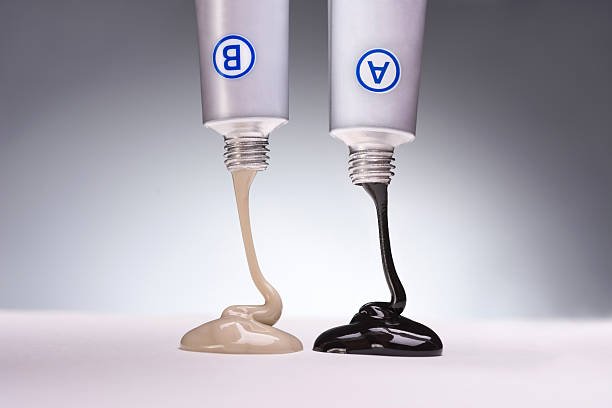
Epoxy-Based Adhesives
Epoxies bond ABS to other materials like metal or glass. They take longer to cure but are excellent for gap filling and long-term durability.
Instant or Cyanoacrylate Glues
Fast-drying superglues are perfect for small repairs or hobby projects. They provide quick adhesion but are less strong for heavy-duty applications.
Applications of ABS Glue
Automotive
Used for dashboards, trim pieces, and other ABS components. Bonds resist vibration and temperature changes.
Plumbing
Solvent-based ABS glue connects ABS pipes and fittings, creating permanent, leak-proof seals.
Electronics
Used for assembling casings and housings, ensuring structural integrity.
3D Printing
ABS glue can bond or repair printed parts, improving mechanical strength.
DIY Projects
From toys to home repairs, ABS glue provides a clean and strong solution.
Benefits of ABS Glue
- Strong Adhesion: Bonds ABS effectively.
- Durable: Resists stress, impact, and environment.
- Easy to Use: Simple application with minimal tools.
- Versatile: Industrial, commercial, or DIY projects.
- Clean Finish: Leaves smooth, professional-looking joints.
How to Use it Correctly
- Clean Surfaces: Remove dust, grease, and moisture.
- Align Parts: Hold pieces together firmly during curing.
- Use Ventilation: Especially for solvent-based adhesives.
- Follow Curing Time: Ensure full bond strength.
- Protect Yourself: Wear gloves and avoid contact with skin and eyes.
Following these steps guarantees a strong, lasting bond and neat results.
Safety Tips
- Work in a well-ventilated area.
- Wear gloves and safety glasses.
- Store in a cool, dry place, away from children.
- Avoid flames or sparks; some adhesives are flammable.
Conclusion
ABS glue is essential for anyone working with ABS plastics. It provides strong, durable, and reliable bonds for industrial, automotive, plumbing, electronics, and DIY applications. By selecting the right type of ABS glue and following proper application techniques, you can achieve professional-quality results.
Whether for assembly or repair, It ensures secure joints, smooth finishes, and long-lasting performance.
FAQs
1. What is ABS glue used for?
ABS glue bonds ABS plastics in automotive, plumbing, electronics, 3D printing, and DIY projects.
2. Can this glue bond other materials?
Yes, epoxy-based ABS glues can bond ABS to metal, glass, or other plastics.
3. How strong is it?
It forms a chemical bond that resists impact, stress, and environmental exposure.
4. How do I apply ABS glue properly?
Clean surfaces, apply adhesive, align parts, and allow proper curing time.
5. Is ABS glue safe to use?
Yes, with ventilation, gloves, and eye protection, it is safe for home and industrial use.