
Introduction:
The Rubber Ducky Isopod is one of the most fascinating and adorable invertebrates you can keep as a pet. With its small yellow “duck-like” face and curious behaviour, it has become a favorite among exotic pet lovers. But this tiny creature requires more attention and care than you might think. Let’s explore what makes the Rubber Ducky Isopod unique, how to care for it properly, and why it deserves a place in your terrarium.
What Makes Rubber Ducky Isopods Special For You
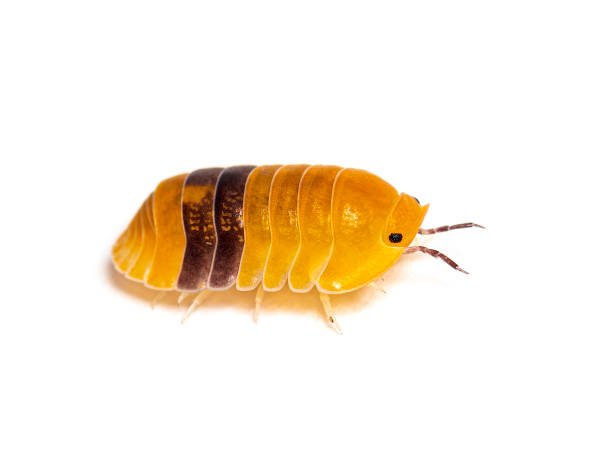
Scientifically known as Cubaris sp. “Rubber Ducky”, this isopod was first discovered in the limestone caves of Thailand. Its name comes from the distinct yellow markings on its head that resemble a duck’s face. Unlike typical backyard isopods, the Rubber Ducky variety has unique traits that make it stand out among terrarium enthusiasts.
-
Average size: Around 1 to 1.5 centimeters in adulthood
-
Behavior: Shy, slow-moving, and often curled into a ball when disturbed
-
Color: A charming blend of yellow, brown, and cream tones
-
Rarity: Hard to find and slow to breed, which increases its value
This species’ charming appearance and calm nature make it a prized pet for those who enjoy maintaining terrariums or bioactive enclosures.
Creating The Perfect Habitat Setup
To keep Rubber Ducky Isopods healthy, it’s important to recreate their tropical environment as closely as possible. Their natural habitat in humid caves gives clear clues about what they need to thrive.
-
Temperature: Maintain between 70°F and 80°F (21°C to 27°C)
-
Humidity: Keep it high at 75–85%
-
Substrate: Use a rich mix of coconut fiber, rotting wood, leaf litter, and calcium powder or crushed limestone
-
Hiding spots: Add bark, cork, moss, and crevices for shelter
-
Airflow: Provide light ventilation to prevent mold buildup
A well-balanced habitat helps them stay active, moult safely, and breed successfully. Make sure to mist the substrate regularly without soaking it completely.
Feeding And Nutrition Tips For Owners
Rubber Ducky Isopods are scavengers and detritivores, meaning they feed on decomposing organic matter. A varied diet will help them stay strong and reproduce effectively.
Feed them with:
-
Decayed leaves and rotting wood (main diet)
-
Carrot, cucumber, or sweet potato slices (added variety)
-
Fish flakes or shrimp pellets (protein source)
-
Cuttlebone or eggshell powder (for calcium and shell health)
Breeding Rubber Ducky Isopods Successfully
Breeding this species can be slow but highly rewarding if done correctly. They reproduce best when their environment is warm, humid, and undisturbed.
-
Maintain consistent humidity and warmth throughout the day
-
Keep the substrate deep enough for burrowing
-
Feed them well to promote healthy offspring
-
Avoid overcrowding the enclosure
Common Problems And How To Avoid Them
Like most exotic species, the Rubber Ducky Isopod can be sensitive to poor living conditions. Here are a few issues to watch out for:
-
Low humidity: Can cause dehydration and death
-
Improper ventilation: May lead to fungal growth or mites
-
Nutrient deficiency: Leads to weak exoskeletons and molting problems
-
Overcrowding: Can cause stress and poor breeding rates
Regular observation and minor adjustments to their environment can prevent these issues easily.
How To Handle Rubber Ducky Isopods
These creatures are small and fragile, so handling them frequently isn’t recommended. If you must move them, use a soft brush or a gentle scoop. Avoid direct contact with your fingers to reduce stress. They are primarily for observation, not interaction, so the best way to enjoy them is by watching their behavior in a well-decorated terrarium.
Why Rubber Ducky Isopods Are Worth Keeping
Many collectors say the Rubber Ducky Isopod is one of the most delightful additions to any exotic pet setup. Here’s why:
-
Aesthetic appeal: Their bright yellow “duck-face” pattern adds charm to any tank
-
Low noise and maintenance: Quiet and odorless, ideal for small spaces
-
Educational value: Teaches about natural decomposition and ecosystem balance
-
Eco-friendly role: Acts as a natural clean-up crew by breaking down organic waste
These qualities make them a great choice for both beginner and advanced terrarium keepers.
Tips For Buying Genuine Rubber Ducky Isopods
Due to their rarity, the Rubber Ducky Isopod is often sold at high prices. To make sure you’re buying ethically sourced and healthy specimens, follow these tips:
-
Purchase from reputable breeders or trusted online stores
-
Check the seller’s reviews and ratings before buying
-
Avoid sellers who cannot confirm the species origin
-
Ask for photos of the actual colony before purchase
This ensures you’re getting genuine Rubber Ducky Isopods rather than mislabeled or unhealthy ones.
Key Benefits Of Keeping Rubber Ducky Isopods
-
They promote a self-sustaining, bioactive ecosystem
-
Their slow and calm movement adds visual appeal
-
They help maintain substrate hygiene naturally
-
Watching them breed and interact is rewarding
These small details make them not just a pet but a living part of your home ecosystem.
Conclusion: A Tiny Pet With Big Charm
The Rubber Ducky Isopod proves that even the smallest creatures can bring joy and fascination. Their unique look, quiet lifestyle, and contribution to the terrarium ecosystem make them an excellent choice for exotic pet enthusiasts. With proper care, they will thrive and reward you with endless curiosity and calm satisfaction.
FAQs About Rubber Ducky Isopods
Q: Are Rubber Ducky isopods good for beginners?
They require moderate care, so they’re better suited for those with some isopod-keeping experience.
Q: How long do Rubber Ducky Isopods live?
They usually live 1 to 2 years if cared for properly.
Q: Can they live with other isopod species?
Yes, but only with species that share similar environmental needs.
Q: Why are they expensive?
Their slow breeding rate and rarity in the wild increase their price.
Q: Are they aggressive?
No, they are calm, peaceful creatures that prefer to hide rather than fight.