
Introduction:
Toenail fungus, medically known as onychomycosis, is one of the most common nail infections worldwide. It can cause discoloration, thickening, and brittleness, making toenails unattractive and sometimes painful. While creams, sprays, and oral medications are often used, many patients turn to laser treatment for toenail fungus when traditional methods fail.
- What Is Laser Treatment for Toenail Fungus?
- How Effective Is Laser Treatment?
- The Pros of Laser Treatment for Toenail Fungus
- 1. Non-Invasive and Safe
- 2. Minimal Side Effects
- 3. No Downtime
- 4. Improves Nail Appearance
- 5. Alternative for Patients Who Cannot Take Medications
- The Cons of Laser Treatment for Toenail Fungus
- 1. High Cost
- 2. Results May Vary
- 3. Slow Nail Regrowth
- 4. Limited Availability
- 5. Possible Need for Maintenance
- Comparison With Other Treatments
- Who Should Consider Laser Treatment?
- What to Expect During a Session
- Aftercare and Prevention
- Frequently Asked Questions
- How many sessions are usually needed?
- Is the treatment painful?
- When will I see results?
- Can the fungus come back after treatment?
- Is laser treatment safe for everyone?
- Final Thoughts on the Pros and Cons of Laser Treatment for Toenail Fungus
Before choosing this procedure, it is important to carefully weigh the pros and cons of laser treatment for toenail fungus. This article explores how the treatment works, its effectiveness, its advantages, and its drawbacks, so you can make an informed decision.
What Is Laser Treatment for Toenail Fungus?
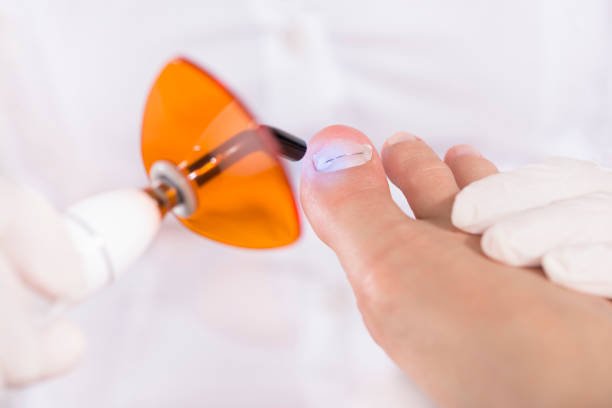
Laser treatment is a modern medical procedure that uses concentrated light beams to penetrate the nail and reach the underlying fungus. The laser heats and destroys fungal cells without causing damage to the surrounding nail or skin.
The treatment is performed in a clinic by a podiatrist or dermatologist. Depending on the severity of the infection, multiple sessions may be required to achieve noticeable results.
How Effective Is Laser Treatment?
One of the most important factors to consider when weighing the pros and cons of laser treatment for toenail fungus is its success rate. Clinical studies have shown that laser therapy can reduce fungal growth and improve nail clarity in many patients.
However, results are not instant. Toenails grow slowly, so it may take six months to a year before a new, healthy nail replaces the infected portion. Some patients experience significant improvement, while others may only see partial results.
The Pros of Laser Treatment for Toenail Fungus
1. Non-Invasive and Safe
Laser treatment does not involve surgery or the use of strong medications. The procedure is painless for most patients, with only mild warmth or tingling during the session.
2. Minimal Side Effects
Unlike oral antifungal drugs that can affect the liver or interact with other medications, laser therapy has very few side effects. At most, patients may notice slight redness or temporary sensitivity after treatment.
3. No Downtime
You can resume normal activities immediately after a laser session. This makes it a convenient option for people with busy schedules.
4. Improves Nail Appearance
As the fungus dies and healthy nail growth begins, patients often see a visible improvement in nail color and texture. This can help restore confidence in wearing sandals or open shoes.
5. Alternative for Patients Who Cannot Take Medications
For individuals who cannot use oral antifungal treatments due to medical conditions or drug interactions, laser therapy provides a safe alternative.
The Cons of Laser Treatment for Toenail Fungus
1. High Cost
The biggest drawback of laser therapy is cost. A single session can range from $200 to $500, and multiple sessions are usually required. Since most insurance providers classify it as a cosmetic procedure, it is often not covered.
2. Results May Vary
Not everyone experiences full success. Some patients may need additional treatments, while others may not see complete nail clearance.
3. Slow Nail Regrowth
Although the fungus may be eliminated, nails grow at a slow pace. It can take several months before visible improvements are noticeable, requiring patience and follow-up care.
4. Limited Availability
Laser treatment is not available everywhere. Patients in smaller towns or rural areas may need to travel to larger cities to find a provider.
5. Possible Need for Maintenance
Even after successful treatment, reinfection is possible. Some patients may need maintenance sessions or strict foot hygiene to prevent the fungus from returning.
Comparison With Other Treatments
To understand the pros and cons of laser treatment for toenail fungus, it is useful to compare it with other options:
- Topical treatments: These are inexpensive but often ineffective because they cannot penetrate the nail bed.
- Oral antifungal medications: They can be effective but may cause side effects such as liver damage or stomach issues.
- Surgical nail removal: This eliminates the infected nail but is invasive and requires recovery time.
Laser treatment falls between these methods, offering effectiveness without the risks of medications or the pain of surgery.
Who Should Consider Laser Treatment?
Laser treatment may be a good choice if you:
- Have tried creams or medications without success
- Want a safe, drug-free option
- Cannot take oral antifungal pills
- Are willing to commit to multiple sessions and proper aftercare
It may not be ideal for patients with very severe infections that affect the entire nail or surrounding tissue.
What to Expect During a Session
A typical laser session takes about 20 to 30 minutes, depending on how many toenails are affected. The doctor will clean the nails and apply the laser light to the infected area.
The procedure is generally painless, and no anesthesia is needed. After the session, you can immediately return to your daily routine.
Aftercare and Prevention
To maintain results and prevent reinfection, patients should follow good foot hygiene practices:
- Keep feet clean and dry
- Wear breathable shoes and moisture-wicking socks
- Disinfect footwear regularly
- Trim nails properly
- Avoid walking barefoot in public places like pools or locker rooms
These steps can help extend the benefits of laser therapy and reduce the risk of recurrence.
Frequently Asked Questions
How many sessions are usually needed?
Most patients require between three and six sessions, depending on the severity of the infection and the clinic’s protocol.
Is the treatment painful?
The procedure is generally painless. Some patients describe a warm sensation or mild tingling during the session, but it is well tolerated.
When will I see results?
Results are gradual because toenails grow slowly. It can take several months to a year for a new, healthy nail to fully replace the infected one.
Can the fungus come back after treatment?
Yes, reinfection is possible if proper foot care is not maintained. Regular cleaning, shoe disinfection, and protective footwear can help prevent recurrence.
Is laser treatment safe for everyone?
The treatment is safe for most people. However, patients with certain medical conditions, such as severe diabetes or circulation issues, should consult a doctor before considering it.
Final Thoughts on the Pros and Cons of Laser Treatment for Toenail Fungus
Laser therapy has become a promising solution for people struggling with stubborn toenail fungus. The pros of laser treatment for toenail fungus include safety, convenience, and improved appearance without the risks of medications. On the other hand, the cons include high cost, variable results, and slow nail regrowth.
For many patients, the benefits outweigh the disadvantages, especially when other treatments have failed. Consulting a podiatrist or dermatologist can help determine whether this option is right for your specific condition.