
Introduction: Hiking the Samaria Gorge Experience
Hiking the Samaria Gorge is one of the most rewarding outdoor activities in Crete. This stunning gorge stretches across rugged terrain and offers panoramic views, unique wildlife, and an authentic taste of Greek nature.
For travelers, nature enthusiasts, and adventure seekers, hiking the Samaria Gorge is more than a walk—it’s an experience that combines physical challenge, scenic beauty, and cultural encounters. Knowing what to expect and how to prepare is essential for making the most of your trek.
Overview of the Samaria Gorge
The Samaria Gorge is approximately 16 kilometers long, running from the Omalos Plateau down to the Libyan Sea near Agia Roumeli. Its high cliffs, narrow passages, and rich biodiversity make it one of the most impressive hiking locations in Europe.
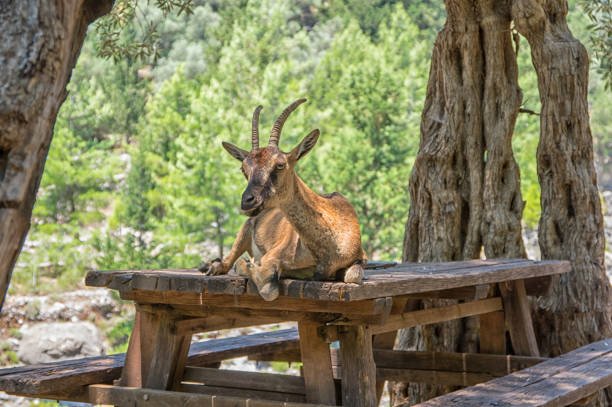
The gorge is home to the endangered kri-kri goat, a variety of birds, reptiles, and a vast range of plants. Walking through the gorge allows hikers to witness nature and history simultaneously, with old chapels, ruins, and traditional villages adding to its charm.
Preparing for the Hike
Preparation is key when tackling the Samaria Gorge, as the trek is physically demanding and can take anywhere from 5 to 7 hours.
Essential Gear
-
Sturdy hiking boots with grip
-
Sufficient water (2–3 liters per person)
-
Snacks and energy bars
-
Sun protection: hat, sunglasses, sunscreen
-
Light backpack for personal items
-
First-aid kit for minor injuries
Fitness Preparation
Basic fitness is recommended. Hikers should have some endurance from walking or light hiking in the weeks before the trek. Leg strength and cardiovascular stamina will make the experience safer and more enjoyable.
Best Time to Hike
The gorge is open from May to October. Conditions vary throughout this period:
-
May–June: Cooler temperatures, fewer crowds, and lush landscapes
-
July–August: Hot weather; early morning starts are advised
-
September–October: Mild temperatures, quieter trails, and ideal conditions
Winter months are not suitable due to rainfall and potential closure of the national park.
The Hiking Trail
The trail begins at the Omalos Plateau and descends gradually to Agia Roumeli, passing through a variety of landscapes.
Key Highlights
-
Xyloskalo entrance: Offers breathtaking views of the gorge before starting the descent
-
Iron Gates (Sideroportes): The narrowest section, surrounded by cliffs over 300 meters high
-
Historic ruins and chapels: Offer insight into the gorge’s rich cultural heritage
-
Agia Roumeli village: The endpoint, perfect for rest, meals, and swimming
Trail Conditions
The path includes rocky sections, uneven surfaces, and occasional steep descents. While it is well-marked, hikers should remain cautious and wear proper footwear.
Nature and Wildlife Along the Gorge
Hiking the Samaria Gorge offers more than scenic views; it’s an opportunity to experience Crete’s unique ecosystem.
Wildlife
-
Kri-kri goats climbing the cliffs
-
Eagles and vultures soaring overhead
-
Lizards, butterflies, and small reptiles
Flora
-
Cretan pines, cypresses, and chestnut trees
-
Wild herbs and seasonal flowers along the trail
-
Olive groves near villages
Post-Hike Activities
After completing the gorge, hikers can relax and enjoy local experiences in Agia Roumeli:
-
Swimming in the Libyan Sea
-
Sampling local Cretan cuisine at seaside taverns
-
Exploring nearby beaches and walking trails
This post-hike relaxation adds a cultural and leisure dimension to the adventure.
Getting to the Gorge
Access to the Samaria Gorge is typically from Chania or Heraklion via organized tours, buses, or private transport.
-
Parking is available at Xyloskalo, the main trail entrance.
-
Buses return hikers from Agia Roumeli to Chora Sfakion or Chania.
-
Ferries offer scenic transportation from Agia Roumeli along the coast.
Conclusion
Hiking the Samaria Gorge is an unforgettable experience that blends adventure, natural beauty, and cultural discovery. Proper preparation, physical fitness, and respect for the environment are essential for enjoying this remarkable Cretan trek.
For adventure seekers, nature lovers, and travelers in search of authentic experiences, hiking the Samaria Gorge is a must-do activity that will leave lasting memories of Crete’s landscapes, wildlife, and heritage.
Frequently Asked Questions
1. How long does it take to hike the Samaria Gorge?
It typically takes 5–7 hours, depending on pace and number of breaks.
2. Is hiking the Samaria Gorge suitable for beginners?
Yes, with moderate fitness and preparation. Proper footwear and early start times help beginners manage the trek.
3. When is the best time to hike?
The hiking season is from May to October, with May–June and September–October being ideal for mild weather.
4. Can I swim after finishing the hike?
Yes, Agia Roumeli has beaches where hikers can relax and swim in the Libyan Sea.
5. What wildlife can I see on the trail?
You may spot the kri-kri goats, birds of prey, lizards, butterflies, and diverse plant species.