
Introduction:
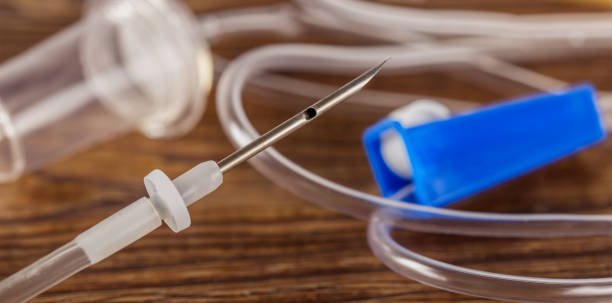
The 25 gauge needle is one of the most commonly used needles in medical practice due to its fine diameter and versatility. Its thin design allows for accurate injections with minimal discomfort, making it ideal for patients of all ages. From vaccinations and insulin injections to minor procedures and cosmetic treatments, this needle is widely trusted by healthcare professionals. Understanding its applications, advantages, and safe handling practices is crucial for both practitioners and patients.
Understanding Needle Sizes and Design
Needle size and design determine comfort, flow rate, and suitability for different procedures. A thin needle allows precise delivery while minimizing tissue damage. Professionals choose needle gauge based on factors such as injection type, medication viscosity, and patient sensitivity.
Specifications and Features
-
Diameter approximately 0.5 mm
-
Available in lengths ranging from 16 mm to 38 mm
-
Stainless steel construction with sharp bevel for smooth penetration
Importance of Proper Selection
Selecting the correct needle ensures accuracy, reduces pain, and minimizes complications during medical procedures.
Common Applications in Healthcare
Thin, precise needles are essential for a variety of medical tasks. Their use spans routine injections, cosmetic procedures, and minor medical interventions.
Typical Procedures
-
Vaccinations for children and adults
-
Insulin and other subcutaneous injections
-
Cosmetic fillers and local anesthetic administration
-
Minor blood sampling for sensitive patients
Why They Are Preferred
Healthcare providers often choose thin needles for their ability to reduce discomfort, prevent bruising, and allow repeated use without tissue trauma.
Advantages Over Thicker Needles
Using a fine needle provides numerous benefits for both patients and practitioners. Reduced diameter ensures a smoother and less painful experience.
Key Benefits
-
Minimal pain during insertion
-
Precise medication delivery
-
Less bruising and swelling
-
Suitable for frequent injections or delicate procedures
Patient Experience
The design ensures comfort for patients with sensitive skin or needle anxiety, making routine treatments less stressful.
Safe Injection Practices
Proper technique and hygiene are critical to ensure safe use of any needle. Training and adherence to guidelines protect both patients and healthcare professionals.
Step-by-Step Guidelines
-
Verify sterility before use
-
Prepare the medication accurately
-
Select an appropriate injection site
-
Insert needle smoothly and at the correct angle
-
Apply gentle pressure post-injection and monitor for reactions
Safety Measures
Always use approved disposal containers for used needles and avoid touching the tip to maintain sterility.
Choosing the Right Needle for Patients
Not all injections require the same gauge or length. Patient factors, medication properties, and procedure type influence selection.
Considerations
-
Age and body type of the patient
-
Viscosity of the medication
-
Frequency of injections
-
Injection site (subcutaneous vs intramuscular)
Clinical Recommendations
Medical professionals often select a fine needle for delicate patients or procedures where minimizing discomfort is important.
Potential Side Effects and Precautions
Even with proper use, minor side effects may occur. Understanding risks helps minimize complications and ensures patient safety.
Common Issues
-
Bruising or minor swelling
-
Mild pain at the injection site
-
Rare needle bending or breakage
-
Infection if sterility is compromised
Preventive Measures
Use sterile needles, proper technique, and rotate injection sites when needed to avoid irritation and complications.
Comparing Different Needle Types
Different needle gauges are chosen based on procedure needs, patient comfort, and medication type. Understanding the differences is essential for optimal outcomes.
Comparison Chart
-
22 Gauge: Thicker, suitable for blood draws and viscous medications
-
25 Gauge: Balanced for subcutaneous injections, minor procedures, and pediatric care
-
27 Gauge: Thinner, ideal for delicate injections like insulin or cosmetic treatments
Choosing Wisely
Selecting the right gauge ensures patient comfort and effective medication delivery.
Proper Storage and Handling
Maintaining needle sterility and safe handling are critical for healthcare settings.
Storage Guidelines
-
Keep needles in a clean, dry, temperature-controlled area
-
Avoid exposure to sunlight and moisture
-
Maintain sealed packaging until use
-
Dispose of used needles in approved sharps containers
Handling Tips
Hold needles by the hub, avoid touching the tip, and follow standard safety protocols to prevent contamination and injuries.
Conclusion
The 25 gauge needle is a versatile, precise, and patient-friendly option for a variety of medical and cosmetic procedures. Its thin design ensures minimal pain and tissue trauma, making it ideal for routine injections, delicate treatments, and repeated use.
By following proper selection, usage, and storage guidelines, healthcare professionals can maximize effectiveness and safety while improving patient comfort. Understanding its applications, benefits, and precautions ensures better outcomes in clinical practice.
FAQs
1. What procedures commonly use this needle?
It is widely used for subcutaneous and intradermal injections, minor procedures, cosmetic fillers, and blood sampling in sensitive patients.
2. How does it compare to other gauges?
It provides a balance between precision and comfort, being thinner than 22 gauge but thicker than 27 gauge needles.
3. Is it safe for children?
Yes. Its thin design reduces pain and bruising, making it suitable for pediatric use.
4. How should it be stored?
Store in a clean, dry area, away from sunlight, and dispose of used needles in approved sharps containers.
5. Can it be used for insulin injections?
Yes. Its fine size makes it ideal for frequent subcutaneous injections, including insulin therapy.