
Introduction:
Dental cleaning is essential for maintaining oral health, preventing cavities, and reducing the risk of gum disease. However, some patients experience dental cleaning side effects, ranging from mild sensitivity to temporary gum discomfort. Understanding these effects helps you manage them effectively while continuing proper dental care.
This article provides a detailed guide on potential side effects, causes, management strategies, and when to seek professional help after a dental cleaning.
What Happens During a Dental Cleaning
Understanding the Procedure
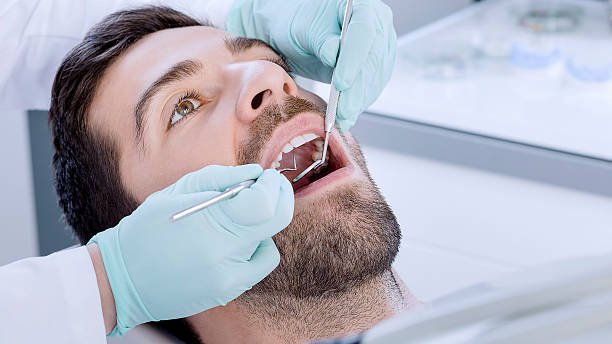
Professional dental cleaning, also called prophylaxis, involves removing plaque, tartar, and stains from teeth. Typical steps include:
-
Scaling: Removal of plaque and tartar above and below the gumline.
-
Polishing: Smooths tooth surfaces to prevent future plaque buildup.
-
Flossing: Cleans areas between teeth to remove hidden debris.
-
Fluoride Treatment (optional): Strengthens enamel and prevents decay.
Why Side Effects Occur
Side effects can appear due to pre-existing oral health conditions, the intensity of cleaning, or individual sensitivity. Knowing what to expect helps reduce anxiety and ensures proper aftercare.
Common Side Effects of Dental Cleaning
Tooth Sensitivity
One of the most common dental cleaning side effects is temporary tooth sensitivity. Removal of plaque and tartar exposes enamel, making teeth sensitive to:
-
Hot or cold beverages
-
Sweet or acidic foods
-
Pressure during chewing
This sensitivity typically subsides within a few days.
Gum Discomfort and Bleeding
Gums may feel tender or bleed slightly after a cleaning, especially if inflammation or mild gum disease exists. Regular brushing and gentle flossing help gums recover quickly.
Minor Pain or Soreness
Some patients feel mild soreness in the jaw or teeth due to prolonged use of dental instruments. Over-the-counter pain relievers and warm saltwater rinses can alleviate discomfort.
Temporary Enamel Roughness
After heavy tartar removal, teeth may feel rough to the tongue. Polishing during the cleaning usually restores smoothness and improves overall appearance.
Nausea or Gag Reflex
For sensitive individuals, dental instruments can trigger a gag reflex or mild nausea. Communicating discomfort with your dentist can help manage these reactions effectively.
Causes Behind Dental Cleaning Side Effects
Gum Inflammation
Pre-existing gum disease or gingivitis can make gums more sensitive to cleaning, leading to temporary bleeding or discomfort.
Plaque and Tartar Buildup
Heavier buildup requires more intensive cleaning, which can increase temporary sensitivity and soreness.
Tooth Sensitivity
Teeth with worn enamel, cavities, or exposed roots are more prone to post-cleaning discomfort.
Dental Tools and Techniques
High-pressure scaling or extensive polishing may irritate teeth and gums if not performed carefully.
Anxiety or Stress
Nervous patients often perceive greater discomfort due to tension and an increased gag reflex.
How to Minimize Side Effects
Inform Your Dentist
Notify your dental professional if you have sensitive teeth or gum issues. Pre-treatment strategies, such as desensitizing toothpaste, can help.
Maintain Regular Oral Hygiene
Consistent brushing and flossing prevent excessive plaque buildup, reducing the intensity of future cleanings.
Schedule Routine Cleanings
Frequent visits prevent heavy tartar formation and minimize discomfort during each session.
Gentle Post-Cleaning Care
Avoid extremely hot, cold, or acidic foods immediately after cleaning. Rinse with warm water and follow your dentist’s recommendations.
Stress Management
Relaxation techniques, deep breathing, or listening to music during the procedure can reduce gag reflexes and overall discomfort.
When to Contact Your Dentist
Persistent Tooth Sensitivity
If sensitivity lasts more than a week or worsens over time, consult your dentist to rule out underlying issues.
Excessive Gum Bleeding or Swelling
Bleeding that does not stop or swollen gums may indicate infection or advanced gum disease.
Severe Pain
Pain that cannot be managed with over-the-counter medication requires professional evaluation.
Signs of Infection
Redness, pus, or fever after cleaning are warning signs that should be addressed immediately.
Unusual Reactions to Fluoride or Products
Any unexpected reaction to post-cleaning treatments should be reported to your dental professional.
Benefits of Regular Dental Cleaning
Prevents Cavities and Decay
Cleaning removes harmful plaque and tartar that contribute to tooth decay.
Reduces Risk of Gum Disease
Regular removal of buildup protects gums from inflammation, gingivitis, and periodontitis.
Enhances Appearance
Polishing removes stains, giving a brighter, cleaner smile.
Promotes Fresh Breath
Debris and bacteria are reduced, preventing bad breath.
Supports Overall Health
Good oral hygiene helps reduce the risk of infections that can affect heart, lungs, and other organs.
Tips for a Comfortable Cleaning Experience
Choose an Experienced Hygienist
Skilled professionals minimize discomfort and improve cleaning efficiency.
Communicate During Treatment
Alert your dentist or hygienist if you experience pain or anxiety.
Follow Post-Cleaning Instructions
Rinse, brush gently, and avoid harsh foods immediately after your appointment.
Use Desensitizing Products
Fluoride gels or specialized toothpaste can reduce sensitivity.
Maintain Regular Appointments
Routine cleanings prevent excessive tartar buildup and reduce side effect severity.
Conclusion
Dental cleaning is a safe and essential procedure for maintaining oral health. While dental cleaning side effects such as sensitivity, gum discomfort, and minor soreness may occur, they are typically temporary and manageable. With proper preparation, post-care, and communication with your dentist, you can enjoy the long-term benefits of clean teeth, healthy gums, and a brighter smile. Prioritizing routine dental care ensures that minor side effects are outweighed by the advantages of preventing cavities, gum disease, and other oral health issues.
FAQs
1. What are common side effects after a dental cleaning?
Temporary tooth sensitivity, mild gum bleeding, soreness, and enamel roughness are typical.
2. How long do side effects last?
Most side effects resolve within 1–3 days, though sensitive teeth may take up to a week.
3. Can dental cleaning damage teeth?
No. Dental cleanings are safe and do not cause lasting damage when performed by a professional.
4. How can I reduce sensitivity after cleaning?
Use desensitizing toothpaste, avoid extreme temperatures in foods, and follow your dentist’s advice.
5. When should I call my dentist after a cleaning?
Contact your dentist if bleeding, swelling, pain, or unusual reactions persist beyond a few days.