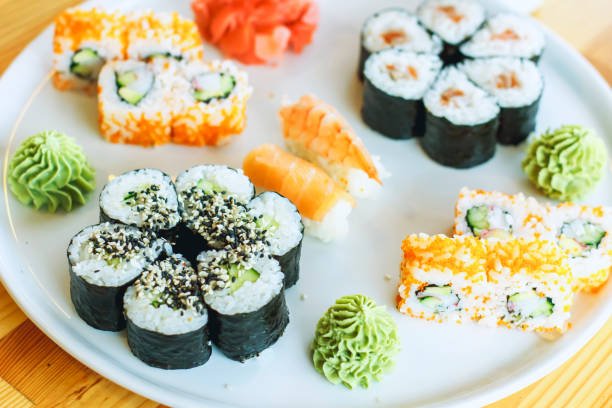

Introduction:
Sushi is a popular Japanese dish known for its clean, simple flavors. The best sushi is about freshness, precision, and balance. It’s not just a meal; it’s a careful blend of rice, fish, and seasoning that delivers a satisfying taste.
For food lovers, sushi is a complete dining experience. From classic nigiri to creative rolls, there is a style for everyone. Learning what makes sushi good helps you enjoy it more and make better choices when ordering or making it at home.
What Defines High Quality Sushi
Good sushi depends on three main factors: fresh ingredients, balance, and skilled preparation. A great sushi chef focuses on texture, rice temperature, and presentation.
Main signs of quality sushi include:
-
Fresh fish that looks bright and firm
-
Rice that is seasoned and lightly sticky
-
Neat presentation without too much sauce
-
Balanced ratio of rice and filling
The best sushi tastes clean and balanced, never greasy or heavy.
Popular Sushi Types For Everyone
There are many types of sushi, and each has its own flavor and texture. Whether you like raw fish or cooked fillings, there’s something for every taste.
Top sushi types include:
-
Nigiri: Rice topped with a slice of fish
-
Maki: Rolled sushi wrapped in seaweed
-
Sashimi: Raw fish served without rice
-
Temaki: Hand-rolled cone-shaped sushi
-
Uramaki: Inside-out roll with rice outside
Trying different kinds helps you understand the variety sushi offers.
Fresh Ingredients That Make Sushi
The freshness of ingredients defines the quality of sushi. Every item should complement the others without overpowering the overall flavor.
Essential ingredients include:
-
Sushi-grade fish such as tuna, salmon, or yellowtail
-
Japanese short-grain rice
-
Nori (seaweed sheets)
-
Wasabi, soy sauce, and pickled ginger
-
Rice vinegar, sugar, and salt for seasoning
The right balance between rice and fish is what makes sushi enjoyable.
How To Spot Fresh Sushi
You can tell if sushi is fresh by observing its look, smell, and texture. Quality sushi always appears neat and smells light.
Check for these signs:
-
Fish should be glossy, not dull
-
Rice should stick lightly, not crumble
-
No strong fishy smell
-
Clean presentation on the plate
If sushi smells strong or looks dry, it’s likely not fresh.
Sushi Options For Beginners
If you’re new to sushi, start with mild flavors. These options let you get used to the texture and taste before trying raw fish.
Good beginner options:
-
California Roll
-
Cucumber Roll
-
Avocado Roll
-
Shrimp Tempura Roll
-
Salmon Nigiri
These rolls are light, simple, and easy to enjoy even for first-timers.
Health Benefits
Sushi is not only delicious but also healthy when made with the right ingredients. It provides protein, omega-3, and other nutrients.
Health benefits include:
-
Good source of lean protein
-
Supports heart health through omega-3 fats
-
Low in calories if eaten without heavy sauces
-
Contains vitamins and minerals from seaweed and vegetables
Sushi Etiquette For Modern Diners
Knowing basic sushi etiquette improves your experience. These simple manners show respect for tradition and make the meal more enjoyable.
Basic etiquette rules:
-
Eat sushi in one bite if possible
-
Dip the fish side into soy sauce
-
Avoid mixing wasabi directly into soy sauce
-
Use chopsticks or clean hands
-
Thank the chef when leaving
Where To Find The Best Sushi
To enjoy top-quality sushi, choose places that serve fresh ingredients and prepare them in front of you. The skill of the chef is key.
Tips for choosing good sushi restaurants:
-
Pick spots with clean kitchens and skilled chefs
-
Ask about the source of the fish
-
Read reviews about freshness and flavour.
-
Avoid buffets with pre-made sushi
Local Japanese restaurants often provide more authentic sushi than commercial chains.
Making Sushi At Home Easily
Making sushi at home is simpler than it looks. You just need patience and fresh ingredients.
Follow these steps to make sushi:
-
Cook short-grain rice and season it with vinegar.
-
Lay a sheet of nori on a bamboo mat.
-
Spread rice evenly and leave a small gap at the top.
-
Add fillings like salmon, cucumber, or avocado.
-
Roll tightly and slice evenly with a sharp knife.
Homemade sushi gives you control over flavor and freshness.
Sustainable Sushi Choices Matter
Sustainability is important for protecting seafood sources. Choosing sustainable sushi helps the environment while ensuring long-term availability.
Eco-friendly options include:
-
Using albacore tuna instead of bluefin
-
Buying farmed salmon from trusted suppliers
-
Choosing local fish when possible
Supporting sustainable sources ensures that sushi remains available for future generations.
Conclusion : Experience The Best Sushi Anytime
The best sushi is defined by freshness, balance, and simplicity. Whether you eat it at a restaurant or make it yourself, good sushi should be clean, light, and flavorful. Learning about ingredients, freshness, and etiquette helps you make better choices. Sushi is more than food; it’s a refined experience that anyone can enjoy with the right understanding.
FAQs
Q1. What is the best sushi for beginners?
The California roll and salmon nigiri are great starter options.
Q2. Can I make sushi at home?
Yes, it’s easy with basic ingredients and a bamboo mat.
Q3. What fish is most used in sushi?
Tuna, salmon, and yellowtail are the most common.
Q4. Is sushi a healthy meal?
Yes, it’s high in protein and omega-3 fats when eaten in moderation.
Q5. How do I know sushi is fresh?
Fresh sushi has a clean smell, firm fish, and slightly warm rice